


Article
How Leeds Changed the UK Street Food Scene and Why Its Best Chapter Might Be Next
Chapter 81
Back in 2013, something quietly revolutionary happened in Leeds. While most shopping centres were still serving up predictable food courts, Trinity Kitchen opened with a very different idea. Instead of rows of chains, it introduced an indoor street food model that mixed permanent kitchens with rotating street food vans. At the time, that concept barely existed in the UK. Leeds was not following a trend. It was setting one.
Over the last decade, Trinity Kitchen has helped redefine what a food hall can be. Nearly 300 independent traders have passed through its doors, many using it as a springboard to bigger things. More than 800,000 people a year eat there, but it has always felt human. Chefs talk to customers. Menus change. There is a sense that you are part of something happening now, not something rolled out from head office.
That early leap helped shape Leeds into the street food city it is today. From late night dumplings to regional curries and experimental pop ups, the city built a reputation for backing independent food talent long before it became fashionable. Other cities caught on later, but Leeds was already doing the work.
That confidence is rooted in a street food scene that has been building for well over a decade. Leeds was an early adopter here too, with events like Belgrave Feast helping to normalise the idea that street food could be curated, social and central to city life. The city went on to regularly host the finals of the British Street Food Awards, cementing its reputation as a serious food destination rather than a passing trend hub. From 2016 to 2020, Eat North brought together traders, chefs and curious crowds in a way that felt accessible and community driven, while post pandemic, Chow Down played a huge role in bringing people back together. At a time when the city needed spaces to reconnect, eat and socialise, Chow Down helped re energise Leeds, proving once again that food is often where recovery begins.
 Fu-Schnikens picking up best of the best in 2014
 Belgrave Feast
 Eat North at North Brewing Co 2016
 Chow Down
 Chow Down at Temple Arches

Now, more than ten years on, the city feels ready for its next chapter.
Trinity Leeds has announced that Freight Island will become the new operator of an expanded Trinity Kitchen, as part of a £15 million investment. It is the biggest single investment the centre has made since opening and it signals real confidence in how central food culture has become to the city.
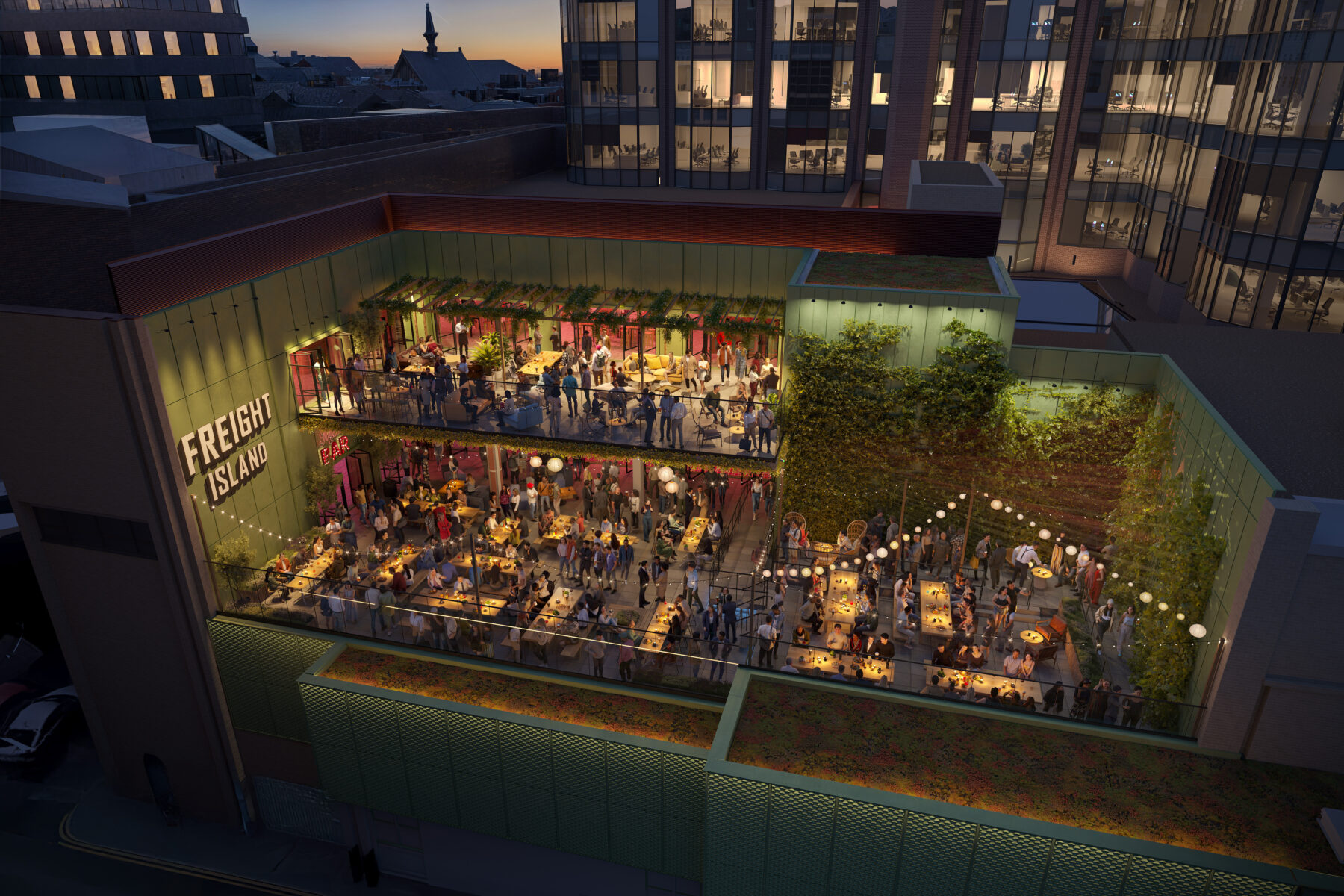
The plans are ambitious. A previously unused 15,000 square foot space above Trinity Kitchen will be transformed into a 63,000 square foot food and leisure destination, complete with a new outdoor roof terrace overlooking City Square. Construction will begin in late spring 2026 and the kitchen will stay open throughout.
Freight Island brings serious experience. Its Manchester venue at Depot Mayfield has become one of the UK’s best known food and entertainment spaces, blending independent food, music, sport and culture under one roof. A Newcastle site is also on the way. The Leeds project will be its fourth and arguably one of its most interesting, because it builds on an existing food hall that already has deep roots in the city.
What makes this moment feel bigger than one development is how it fits into a wider picture. Leeds is also getting a STACK at Kirkgate Market, which is planned to open there in late 2026/early 2027. That places Leeds firmly in the same conversation as Manchester, London and Liverpool when it comes to large-scale food-led destinations.
The difference is that Leeds is not starting from scratch. The city has already proven it can nurture independents and build loyal audiences. The challenge now is scale. Can Leeds offer the kind of landmark food spaces that attract national attention without losing the character that made people care in the first place?
Both Trinity Leeds and Freight Island seem to think so. Steven Foster, Centre Director at Trinity Leeds, described the expansion as the most exciting chapter yet, turning Trinity Kitchen into a multi-level dining and entertainment venue that takes the atmosphere outdoors. Freight Island’s Dan Morris spoke about keeping food at the heart of the venue, driven by independent chefs, alongside DJs, performances, sport and family-friendly cultural events, with a strong focus on local Leeds talent.
If that balance is struck, Leeds may not just catch up with other major cities. It may remind them where this all started.
CGI image of what Freight Island will look like at Trinity Leeds
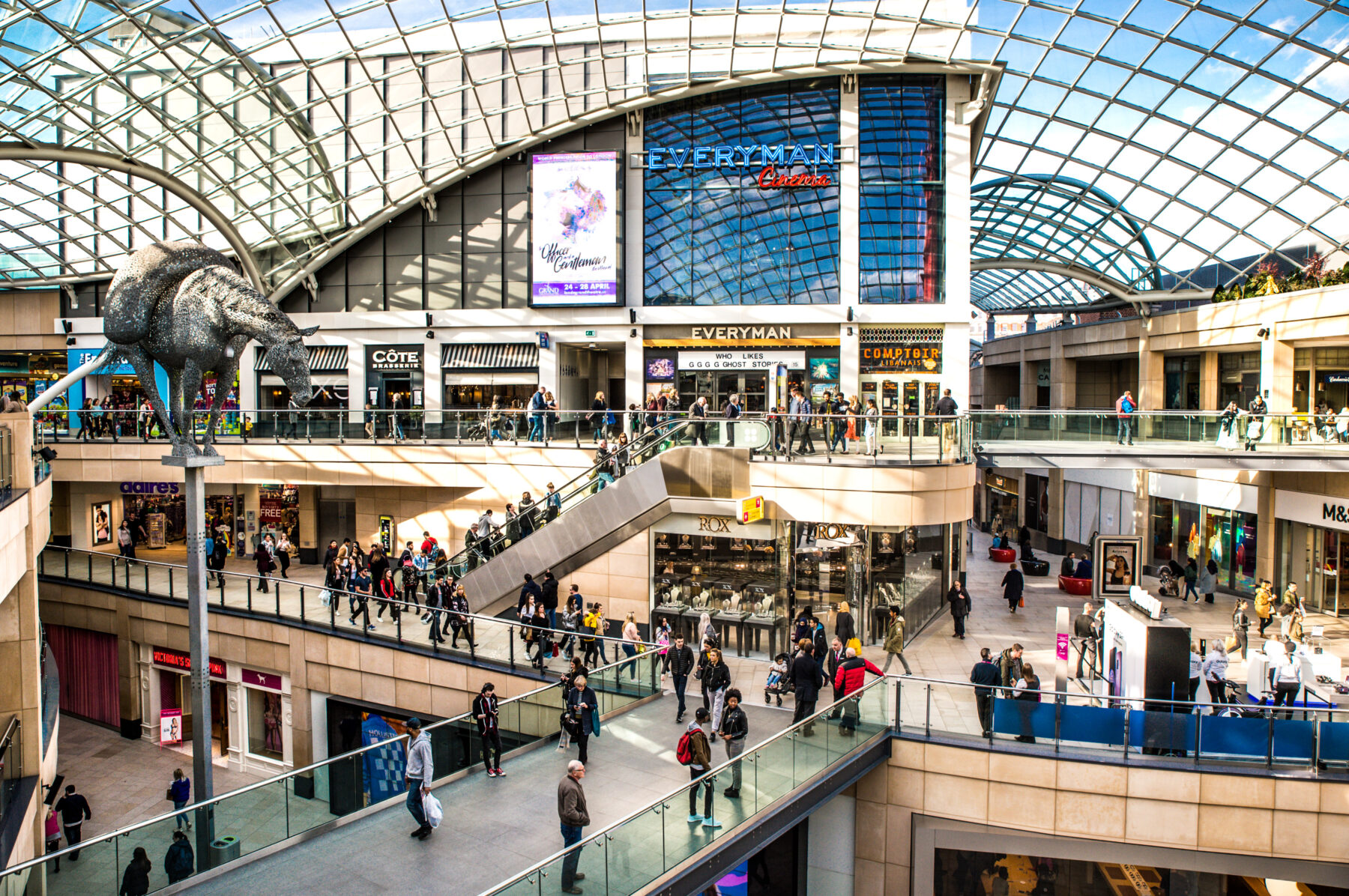 Trinity Leeds