Article
Why Leeds is the best place for UKREiiF
Chapter 81
Leeds is a city that knows how to welcome people in. It has the scale, energy and ambition you’d expect from a major UK city, but it’s also walkable, easy to enjoy and full of character. When UKREiiF comes to Leeds, delegates don’t just come for a conference — they get a whole city experience.
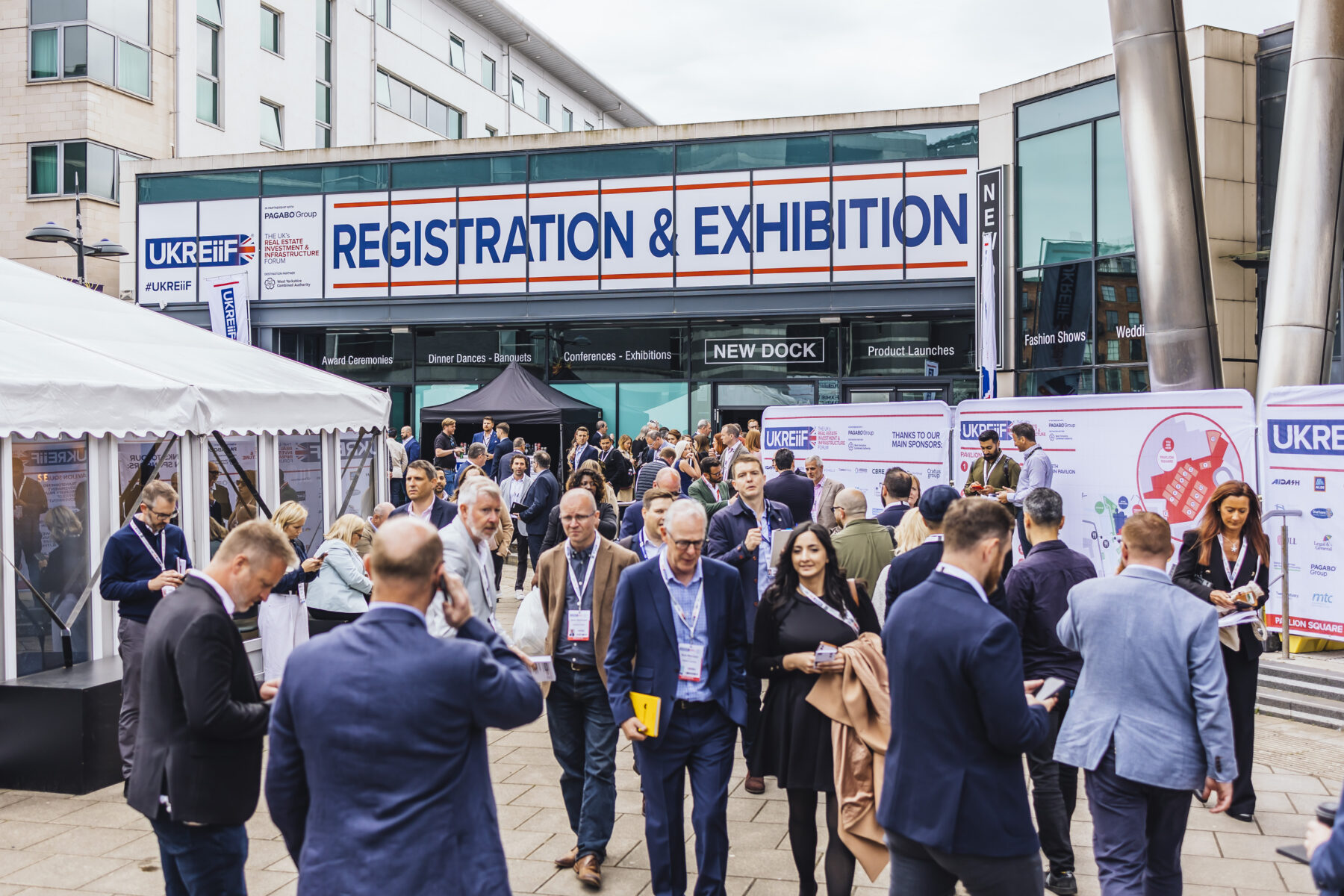
UKREiiF 2026 returns to the city centre from 19 to 21 May, with the Royal Armouries and Leeds Dock once again at the heart of it. More than 16,000 delegates are expected, alongside 1,250 speakers, 150 exhibitors and a fringe programme of more than 150 events drawing another 2,500 attendees on top of the main forum. It’s the conversation the UK’s built environment industry now plans its year around, and increasingly, so do the people whose job it is to shape places.
Among the most active of those are the UK’s Business Improvement Districts. There are more than 300 of them across the country, business-led and business-funded organisations that play a quiet but significant role in how our cities, towns and high streets actually work, from safety and public realm to placemaking, cultural programming and inward investment. UKREiiF has become one of the key moments in their year too: a chance to champion their patch, meet investors and developers, and learn from each other. That’s part of what gives the event its texture. Leeds doesn’t just host the formal sessions, it hosts the breakfasts, the drinks, the side rooms and the walking tours where the real conversations happen.
This is Leeds at its best: where the conversations happen.


What to do in Leeds
One of the best things about Leeds is how much there is to do within a short walk or quick taxi ride. For visitors juggling meetings, panels and networking, the city makes it easy to add something memorable to the edges of the working day.
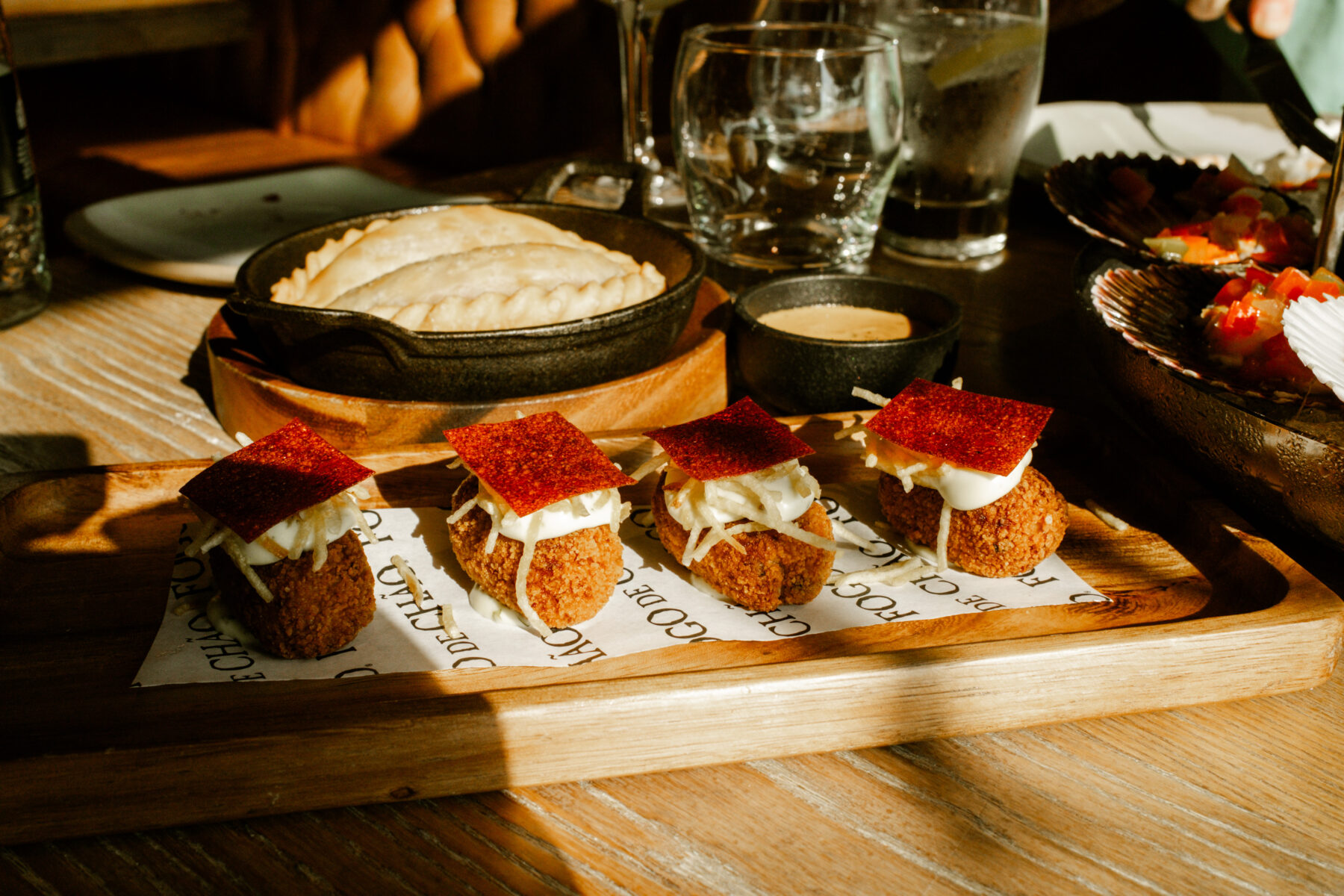
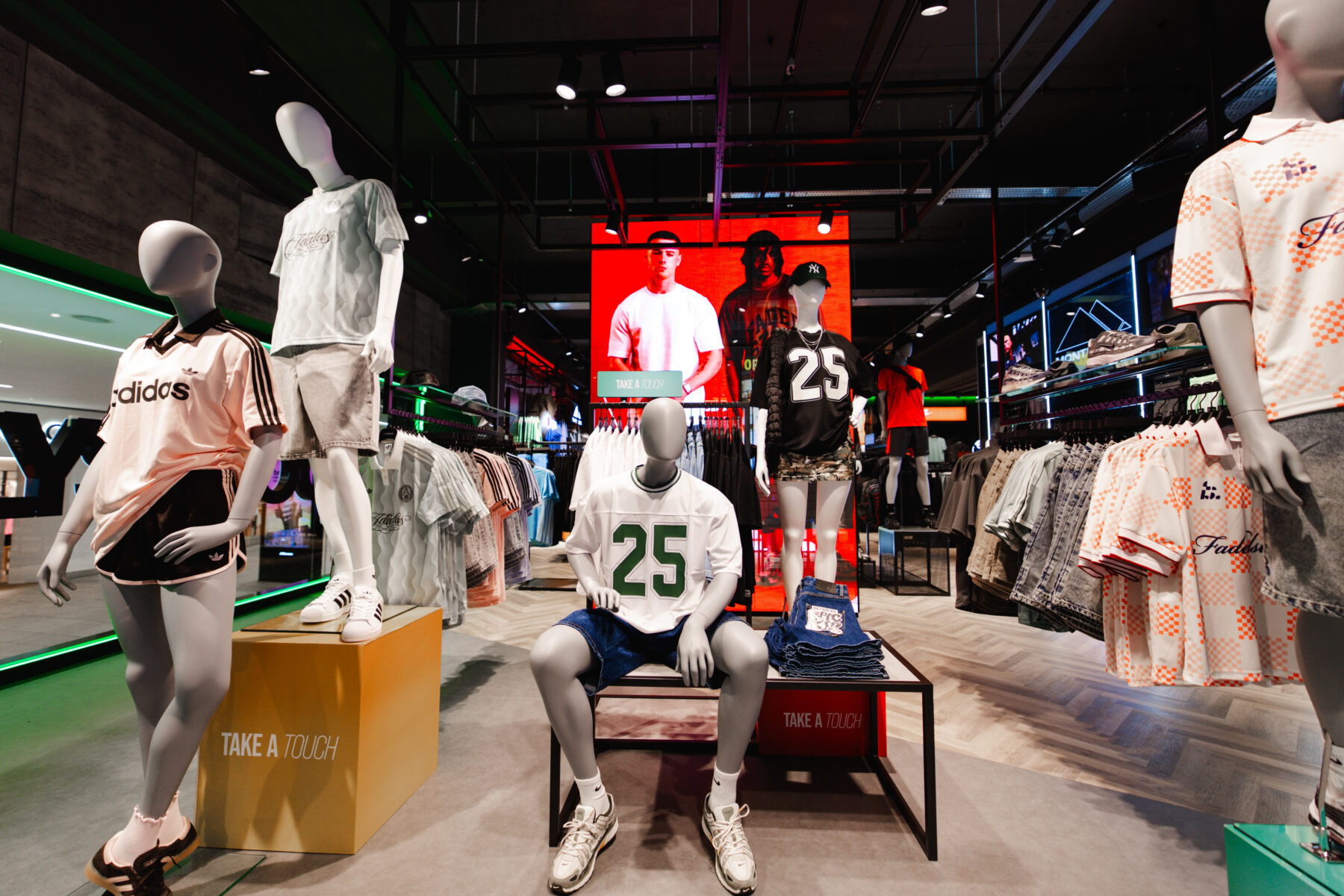
The hospitality scene is genuinely strong, big-name hotels and stylish bars sit alongside independent restaurants and neighbourhood favourites. Leeds does polished and relaxed equally well, so whether it’s a coffee and a quick catch-up, a smart dinner, or somewhere lively after a long day on the Dock, it’s all here.
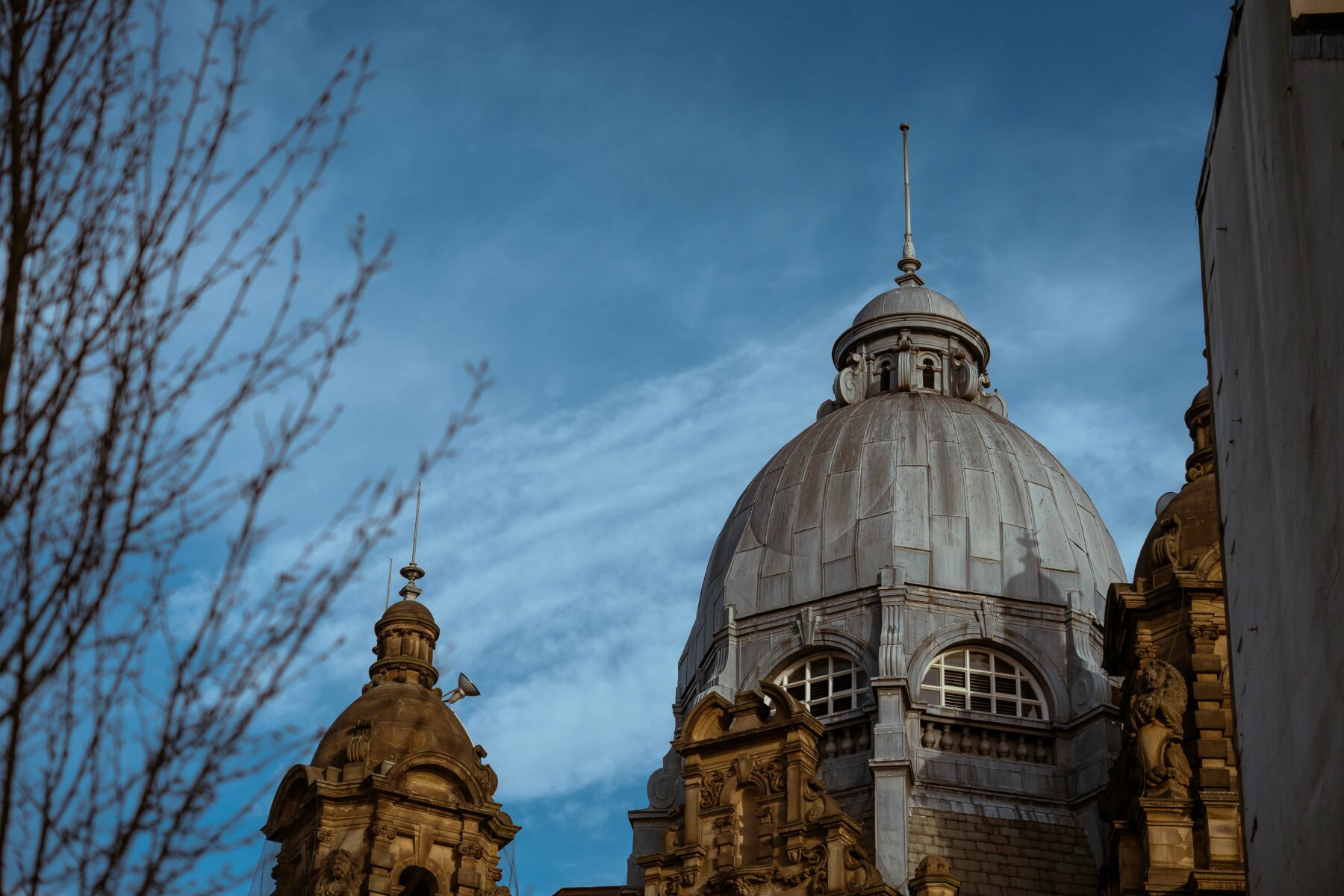
The cultural offer punches above its weight too. The Royal Armouries, right at the heart of the UKREiiF site, is a free national museum holding one of the largest collections of arms and armour in the world, with live displays and galleries open throughout the event. Five minutes north, Leeds Art Gallery and the Henry Moore Institute give visitors an easy way into the city’s art and sculpture story, with major collections of British painting and a free programme of sculpture exhibitions and archives. And that’s before you get to the wider scene, independent galleries, a thriving live music circuit, and theatres including the refreshed Leeds Playhouse and the iconic Grand Theatre.
So if you’re visiting for UKREiiF, Leeds makes a strong first impression. It’s a city where business conversations can carry on over great food, in inspiring venues, and against a backdrop of authentic culture.
 Award Winning Bundobust - launched a new menu
 Pollini's is new and grab pizza by the slice
 Fuji Hiro was Leeds' first Japanese Restaurant
 Madre has recently opened
 Cinnamon Kitchen - the first outside London at Queens Hotel
Regeneration in Leeds
Leeds is the right place for UKREiiF because regeneration here isn’t just a talking point. It’s happening in real time — and at a pace and scale that genuinely matches the ambition of the conversations on the conference floor.
Start at the Royal Armouries itself. In May 2025, at UKREiiF, the museum announced it had purchased the freehold of its Leeds Dock site outright, made possible by an £11.69m government-backed loan. That deal sets up the next chapter for the venue: a new conference and events space known as the Tiltyard, plus the longer-term ambition of multi-use riverside arts, events and conference facilities, and additional hotel capacity at Leeds Dock.
A short walk away, Aire Park is the clearest expression of how Leeds is reshaping its South Bank. The eight-acre public park — the largest new city-centre green space in the UK — opened in summer 2025, anchoring a 24-acre mixed-use district by developer Vastint UK. Around it, more than a million square feet of Grade A office space is taking shape along South Brook Street, with occupiers including Eversheds Sutherland, Devonshires, TPT Retirement Solutions, interactive investor, and Jacobs, who will relocate their Leeds team there in 2026. When complete, Aire Park will deliver around 1,400 homes and 54,000 sq ft of retail and leisure space alongside the offices and the park itself. It’s a textbook example of patient mixed-use placemaking, the kind of project the UKREiiF audience comes to Leeds to study.
The bigger story is the wider South Bank, which has just been confirmed as a new Mayoral Development Zone with a New Town designation, a structural shift in how the city can deliver at scale. Combined with the new Leeds City Fund, which allows the city to retain 100% of business rates growth for 25 years, Leeds now has fiscal and planning tools to back its ambitions in a way few UK cities currently do.
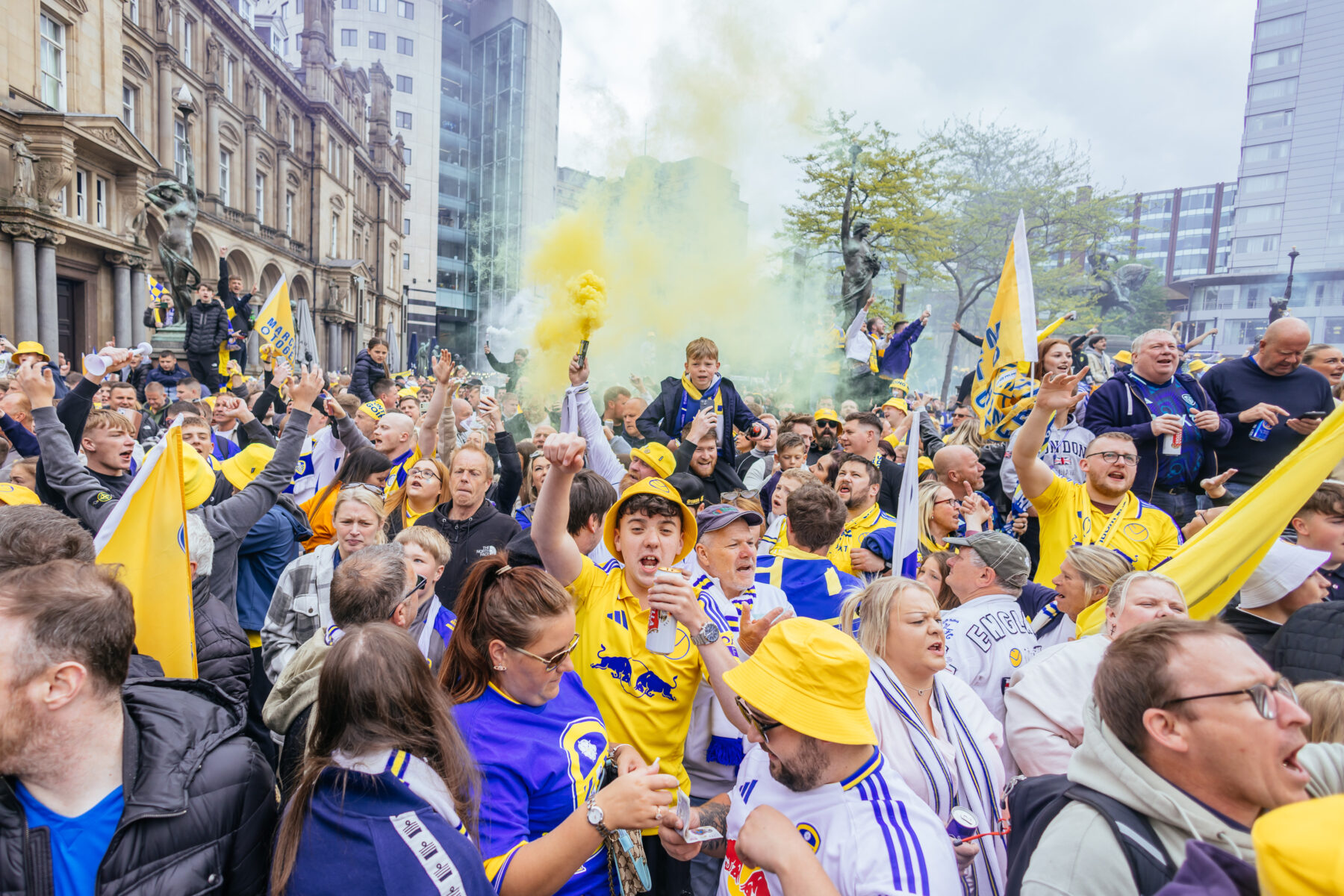
Football is part of that picture too. Leeds United‘s stadium expansion plans at Elland Road, alongside Leeds City Council’s refreshed planning guidance for the surrounding neighbourhood, signal a wider vision for South Leeds with proposals supporting up to 2,000 new homes and significant leisure and commercial development. It’s football-led regeneration of the kind UKREiiF’s new sports and leisure stream is designed to spotlight.
Then there’s mass transit, the long-running Leeds question. The picture is now clearer than it has been for years: £2.5bn of confirmed funding, a Strategic Outline Case being submitted to government in 2026, two Phase 1 lines proposed (Leeds to Bradford, and St James’s Hospital to White Rose via Elland Road), and a commitment from Mayor Tracy Brabin and Rail Minister Lord Hendy to get spades in the ground in 2028. The completion timeline has shifted to the late 2030s, and there’s still robust debate about whether the city has moved fast enough, but for the first time in a generation, Leeds has a funded route to becoming the largest European city to finally close its mass-transit gap.
The hotel pipeline keeps pace. New schemes continue to come forward — including a major room2 hotel scheme now backed for development (aimed for completion in 2028) — adding to a city centre offer that already absorbs the May spike in delegate demand without breaking stride.
All of this gives Leeds a different kind of confidence as a UKREiiF host. Delegates aren’t just hearing about regeneration here. They can step out of the conference, walk five minutes in any direction, and see it taking shape around them.
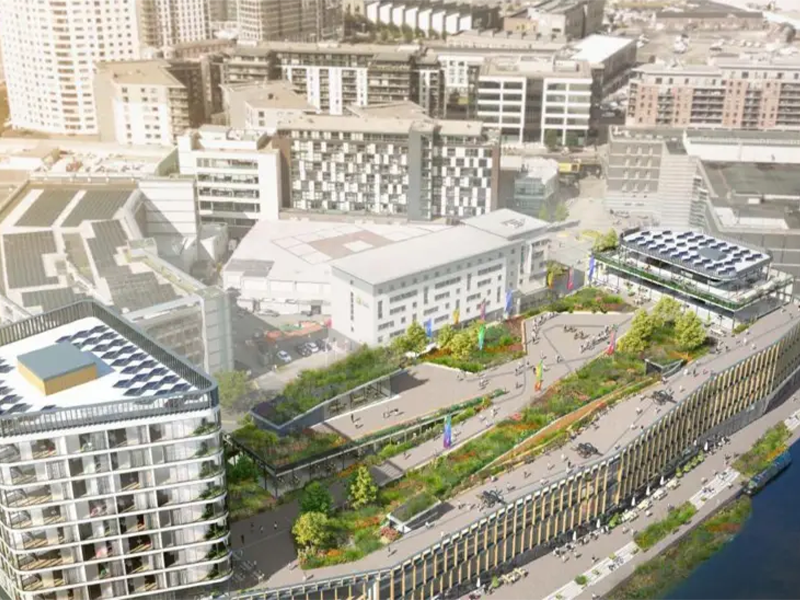 An artist's impression of Tiltyard
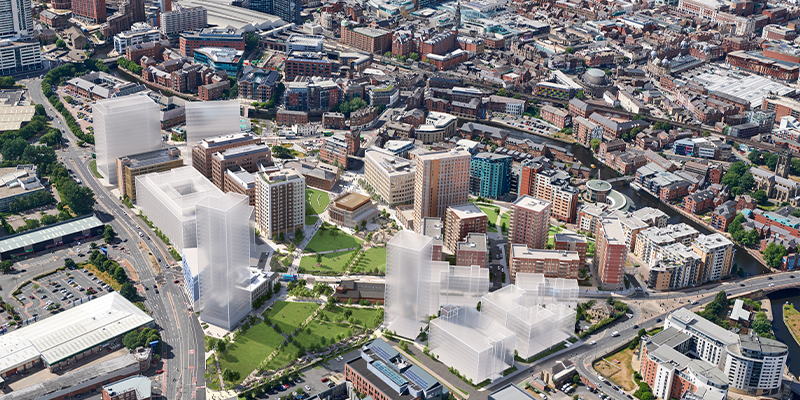 An artist's impression of Aire Park
The city cares
Leeds has ambition, but it also has heart. That matters — and for delegates spending three days walking, networking and working in the city centre, it shows up in ways that are often invisible until they’re not.
For a city of its size, Leeds still feels grounded in community. There is a real focus on making the centre feel welcoming, safe and looked after, and a lot of that is driven by LeedsBID, the city centre’s Business Improvement District, working alongside West Yorkshire Police and Leeds City Council. UKREiiF delegates will see and benefit from that work directly, often without realising it.
Now in their tenth year, the LeedsBID Street Rangers are the team businesses across the city centre rely on to keep Leeds looking its best. A six-strong team, operating seven days a week, the Rangers handle everything from chewing gum removal and street washing to scheduled deep cleans of high-footfall pavements and rapid-response callouts on public and private property. Recent investment in personnel, equipment and reach has expanded the service further. In the past year alone, the team completed more than 50 large-scale deep cleans and responded to over 2,000 individual business requests. It’s quiet, consistent work and it’s a big part of why the city centre presents the way it does.
Newly launched is the LeedsBCRP, the Leeds Business Crime Reduction Partnership. Brought to you by LeedsBID and officially endorsed by West Yorkshire Police and Leeds City Council, it’s a member-based partnership tackling crime and anti-social behaviour in the city centre through live communication, intelligence sharing and strategic engagement between businesses, the police and council. It provides a city centre radio network and a GDPR-compliant intelligence portal so businesses can share live information confidentially and quickly, alongside business briefings, training and expert advice. Crucially, LeedsBCRP connects the daytime and night-time economies — giving the city a single, coordinated voice on safety.
And launching alongside it is ESGo, a new LeedsBID initiative inviting city centre workforces to put their ESG volunteering days to direct local use. Supported by the Street Ranger team, ESGo runs hands-on sessions where corporate volunteers tackle litter picks, painting, cleaning and wider environmental improvements. It’s a simple idea with sharp logic: the same workforces filling Leeds offices can make a visible difference to the streets outside their front doors.
There’s a wider story here too, about people and sectors. Leeds is one of the UK’s strongest cities for financial and professional services, and the digital economy continues to grow alongside it. The city’s expertise in finance and professional services is helping drive innovation in FinTech, LegalTech and Green Finance, supported by the presence of the Bank of England, the UK Infrastructure Bank, the Financial Conduct Authority and HMRC. West Yorkshire is also home to more than 9,000 digital and tech businesses employing around 50,000 people, with 286 scale-ups — the highest number outside London and is recognised by the government as a world leader in data and AI.
HealthTech, in particular, is a quiet powerhouse. Leeds is home to more than 300 healthtech businesses, employing 13,000 people and generating over £3bn for the UK economy, a sector now backed by the £160m West Yorkshire Healthtech and Digital Tech Investment Zone and a new £2m Health Innovation Leeds Incubator led by Nexus at the University of Leeds with Leeds Beckett and Leeds Teaching Hospitals NHS Trust. Around Nexus, the city’s £40m innovation community on the University of Leeds campus, regular meet-ups draw founders, clinicians and researchers from across the region. Leading lights include Paxman, the Huddersfield-headquartered global pioneer in scalp-cooling technology that helps people keep their hair during chemotherapy, whose CEO, Richard Paxman OBE, chairs the West Yorkshire HealthTech Cluster.
That mix is a real strength. Leeds is commercially serious, but it isn’t all glass towers and boardrooms. It’s a place where business growth, public space, culture and community all sit alongside each other — and where the people running the city take genuine pride in how it feels to be in it. That’s a big part of what gives Leeds its distinct character, and it’s a big part of what UKREiiF delegates take away with them when they leave.
 LeedsBID Street Rangers
 ESGo - test event
 ESGo - test event
 Leeds BCRP fresh look
 ESGo brand
Come back to Leeds
Leeds isn’t just somewhere to visit once for an event. It’s somewhere people want to return to.
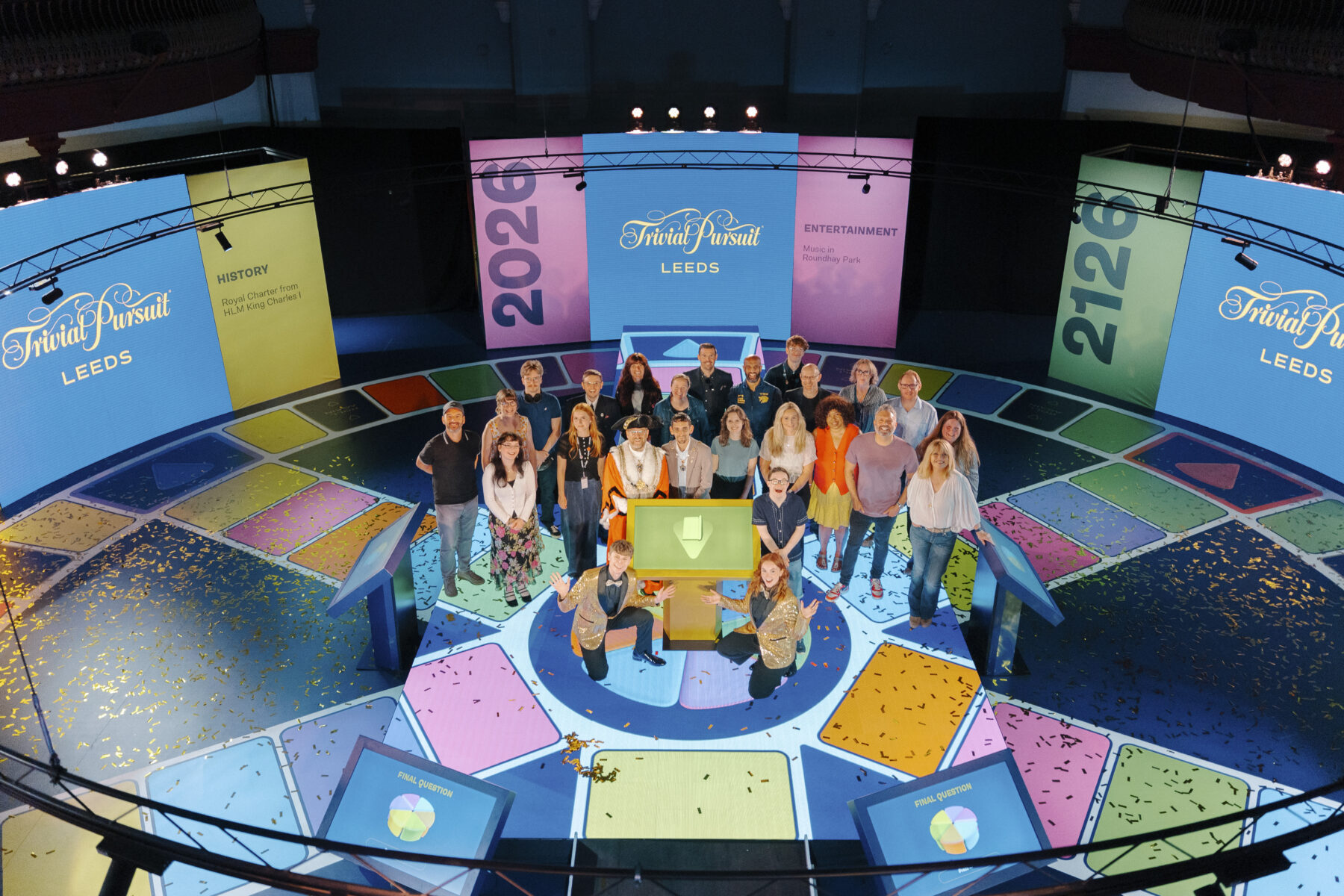
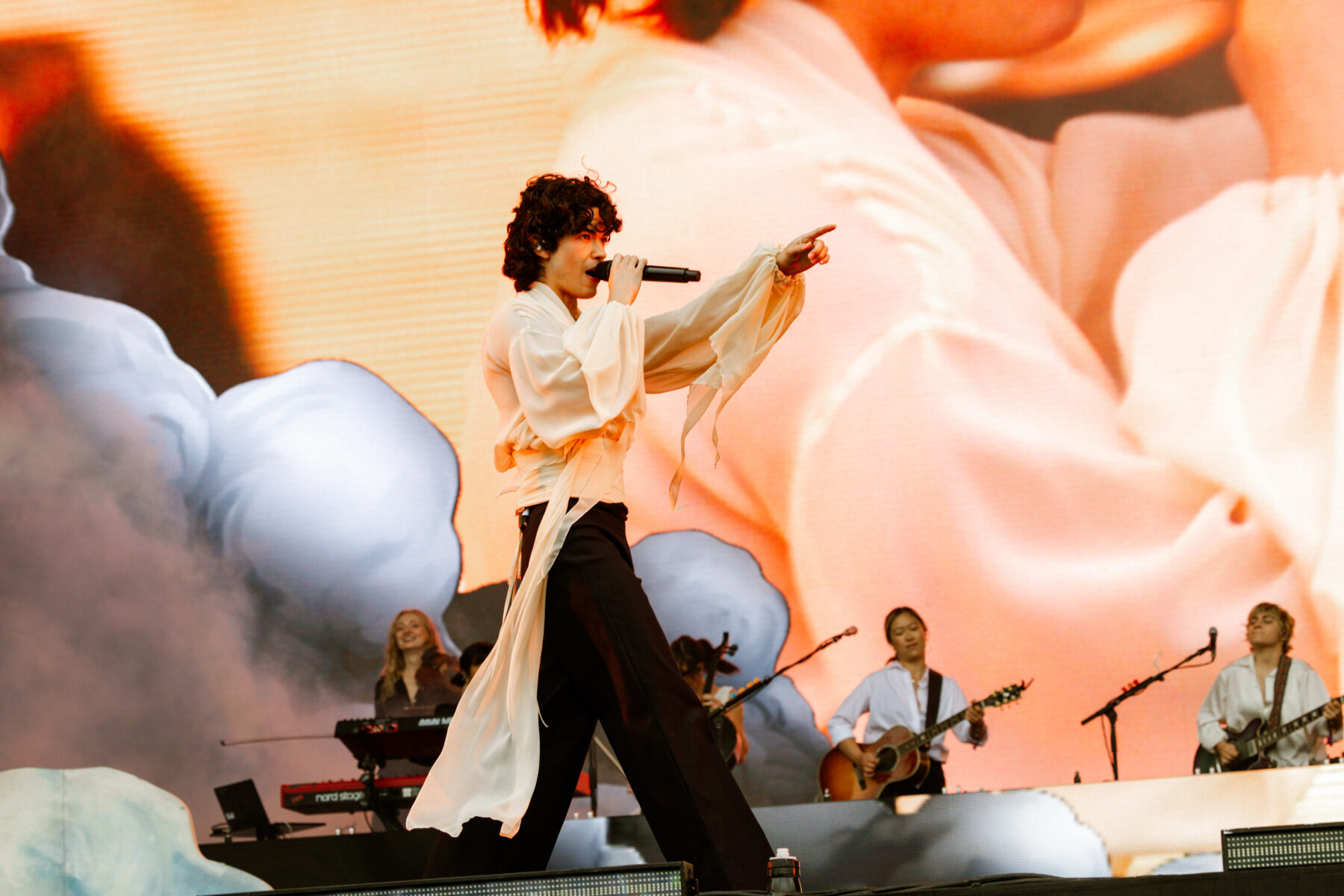
Part of that is because the city is always giving people another reason to come back. Leeds International Festival of Ideas has become a major fixture in the city’s calendar, with LIFI25 described by organisers as the biggest and boldest edition yet, and sign-ups already open for LIFI26. Roundhay Festival arrives in July 2026 as a major new summer event, with AEG Presents, the team behind BST Hyde Park, bringing Pitbull and Lewis Capaldi to one of Europe’s largest city parks. And running through the summer, Trivial Pursuit Leeds turns the city itself into a giant board game — a love letter to Leeds’ deep, sometimes underrated, affection for play. (Yorkshire’s video games sector accounts for around 7% of the UK industry, with studios including Rockstar Leeds, Sumo Leeds and nearby Team17 in Wakefield. Leeds takes its games seriously, and it has fun with them too.)
There’s a wider story here as well about how Leeds invests in its communities, not just its skylines. The city is one of those receiving funding through the government’s £5bn Pride in Place programme, with four named Leeds neighbourhoods — Armley New Wortley, Farnley East, Middleton Park and Seacroft North/Monkswood — set to receive up to £20m each over the next decade, to be spent on priorities chosen and led by the local communities themselves. For a UKREiiF audience, that’s a useful reminder: Leeds is a city building flagship regeneration and community-led change at neighbourhood scale, often in the same conversation.
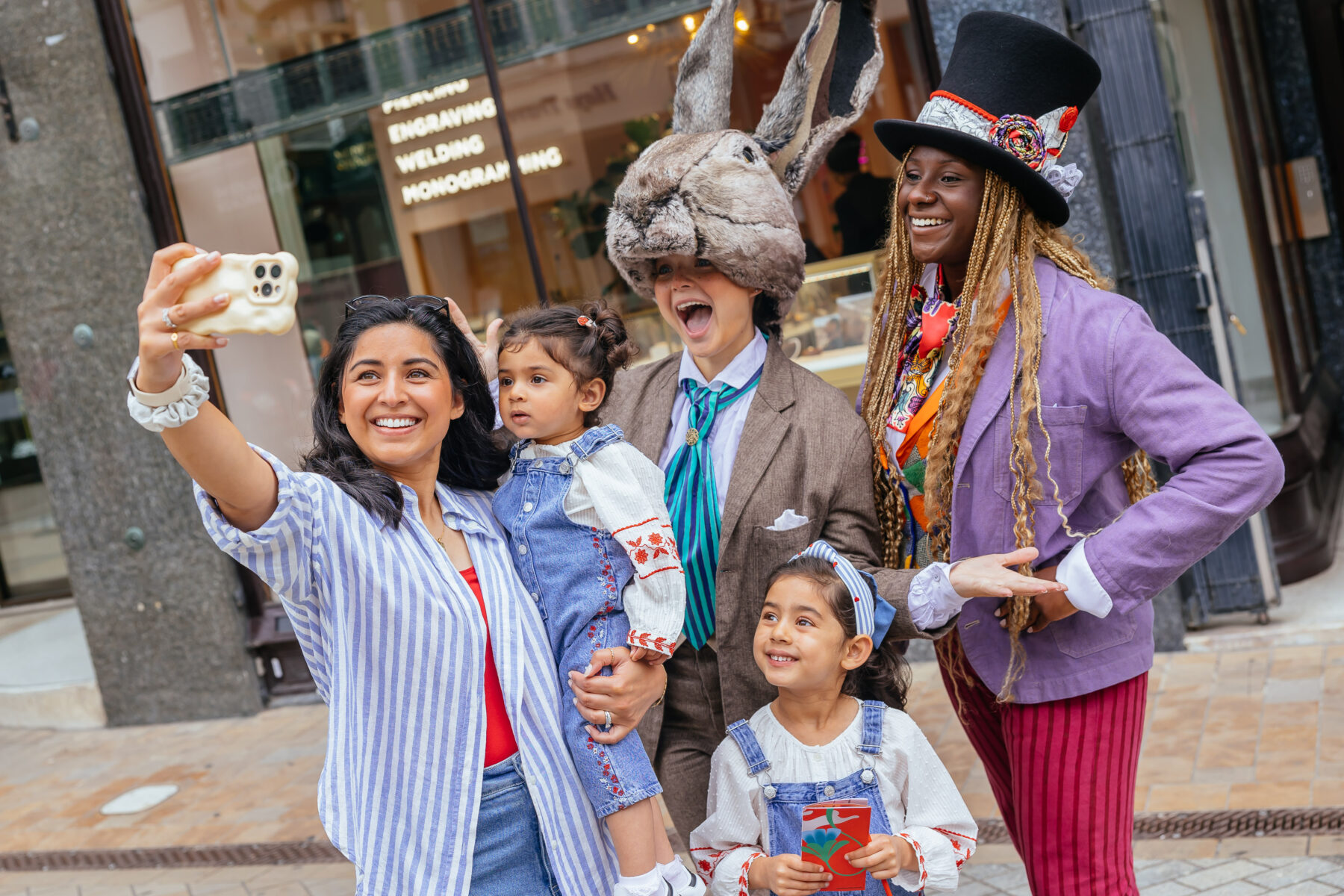
Then there’s the rhythm of return. Leeds is the kind of place that reveals itself slowly. One trip might be all about business at the docks. The next might be a weekend of food, galleries, shopping and parks. Then another for a festival, a gig, or a big day out with family or friends.
For UKREiiF delegates with an hour to spare between sessions — or an afternoon before the train home — much of the regeneration story is visible on foot. Aire Park is a few minutes’ walk from the Royal Armouries, with the eight-acre public park now open and South Brook Street’s first occupiers in place. Wellington Place has become Leeds’ most established new business district, home to the Bank of England and HMRC. The Majestic and the new west entrance to Leeds Station opened up the city’s western edge and made City Square legible again as a public space. City Square House, the major mixed-use scheme above the station, is reshaping the very first impression visitors get of the city. And just beyond, West Village — Glenbrook’s emerging mixed-use district, is taking shape as the next chapter for the West End.
Most of these are within a fifteen-minute walk of the Dock. Each one is a different answer to the same question: what does a confident, modern Leeds look like? Take a walk between sessions, and you’ll see five answers being built at once.
That’s the real argument for coming back. Leeds in May 2026 is not a finished picture — it’s a city in motion. The version delegates see at UKREiiF will be different from the version they return to in autumn, or for next year’s event, or for a weekend in 2027. The Tiltyard will have moved on. Aire Park will have filled out. The South Bank will have started to take its New Town shape. The trams will be inching closer to the ground.
You don’t need to take Leeds’ word for any of this. Come back and see for yourself and keep checking Welcome to Leeds.
What else to read:


